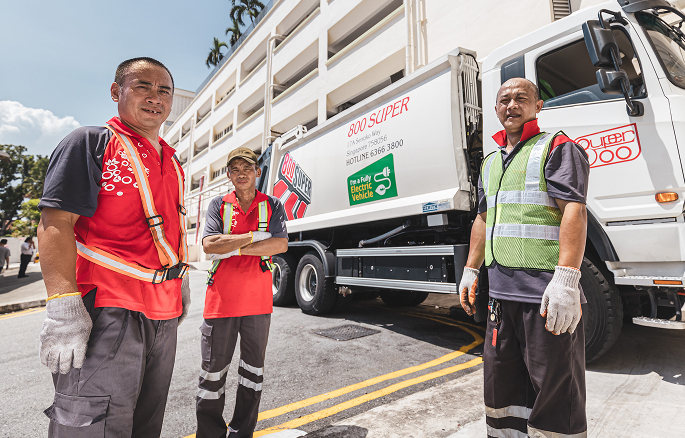

Autonomous ES Vehicles
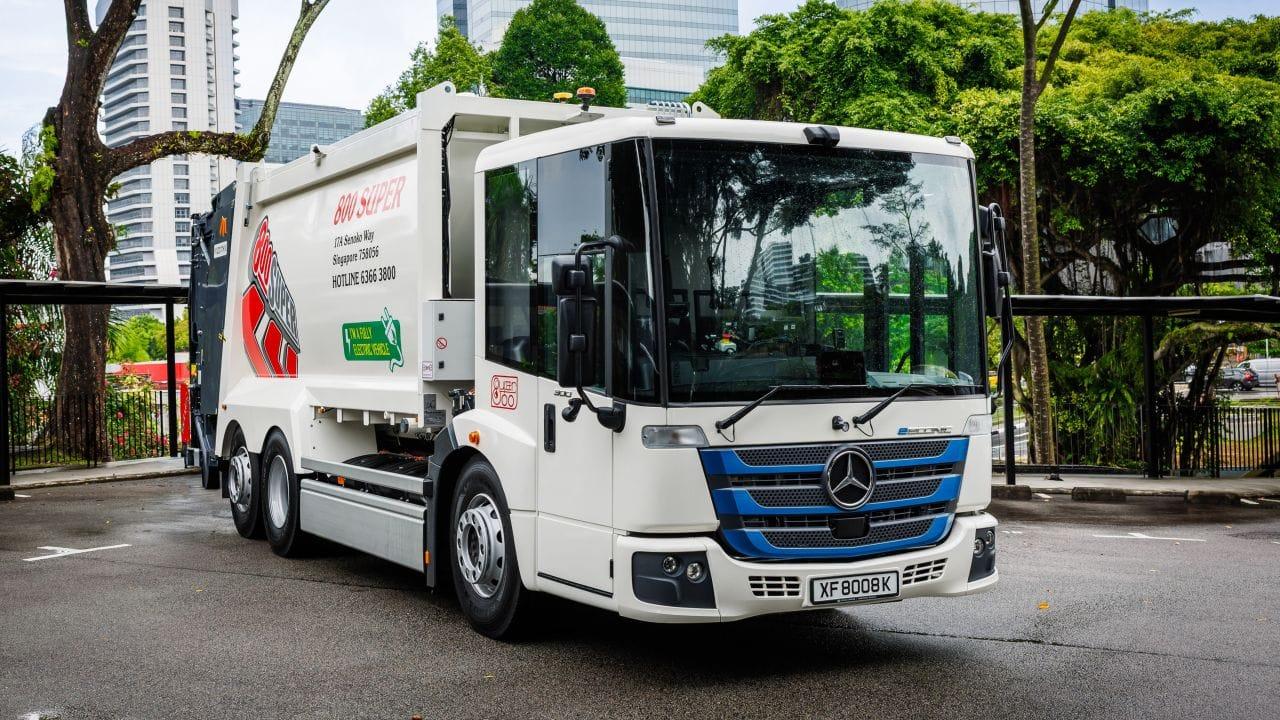
Electric Vehicles
800 Super is the first company to introduce electric vehicles into Singapore’s waste management industry in 2018 under its NEA municipal waste collection services for the Pasir Ris-Bedok sector, marking an important step towards cleaner and more sustainable waste collection. By deploying a fleet of electric vehicles across our operations, we aim to reduce carbon emissions, noise pollution, and reliance on conventional fuels.
Through continuous innovation and the development of EV operational expertise, 800 Super is strengthening its capabilities while leading the environmental services industry towards a low-carbon and circular economy.
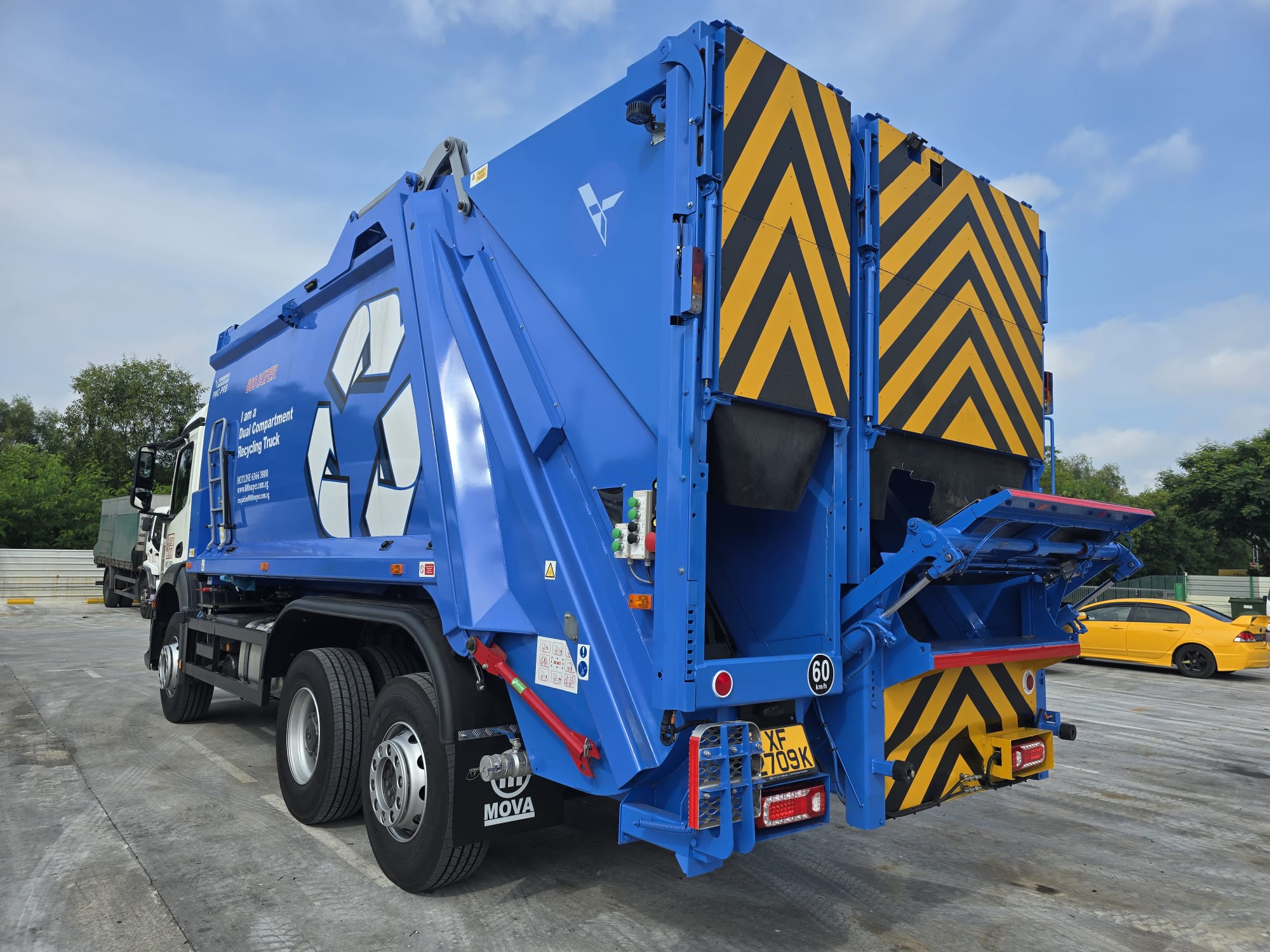
Dual-Compartment Rear-End Loader
800 Super introduced the Dual-Compartment Rear-End Loader (REL) to collect recyclables and garden waste separately within a single trip for landed premises’ collection. By replacing the need for two collection vehicles, this innovative solution improves productivity, optimises manpower and reduces operating costs.
Fewer vehicles and collection trips also mean less road congestion, lower fuel consumption and reduced carbon emissions—supporting cleaner and more sustainable waste collection operations.
Electric Vehicles & Robotics
On 21 March 2019, 800 Super and its consortium partner, ST Engineering Land Systems Limited, were awarded a government-funded R&D project to design, develop, and trial Autonomous Environmental Service Vehicles (AESVs) for road cleaning. This initiative is supported by the NEA and Ministry of Transport (MOT) under the NEA’s Environmental Robotics Programme.
This pioneering project aims to:
- Optimise resource use
- Encourage innovation
- Accelerate technology adoption in the Environmental Services (ES) sector
- Improve overall productivity
Our consortium’s proven capabilities in autonomous vehicle (AV) and environmental services, along with a strong collaborative proposal, were selected after rigorous evaluation by a multi-agency panel including NEA, MOT, and the National Robotics R&D Programme Office (NR2PO).
In response to the NEA’s Request for Information (RFI) in 2016 and Request for Proposals (RFP) in 2017, our proposal was chosen over seven others. It includes the development of a prototype autonomous mechanical road sweeper within 12 months, followed by a 6-month Proof-of-Concept (POC) trial.
800 Super’s alignment with national objectives — including NEA, MOT, NR2PO, and the Committee of Autonomous Road Transport for Singapore (CARTS) — demonstrates our strong commitment to deploying innovative technology to enhance operational efficiency and reduce traffic congestion during off-peak hours.
800 Super innovation and productivity initiatives have always gear towards the ambition to deploy the most technological advanced fleet for its waste management operations in Singapore.
With the commencement of the Public Waste Collection contract for Pasir Ris-Bedok in July 2018, the company took another bold commitment to introduce a fleet of Electrical Vehicle (EV) and Dual Compartment waste collection trucks. Together with the Side-loading waste collection vehicle introduced in the same year, 800 Super prides its fleet to be the most comprehensive and technologically advanced in Singapore.
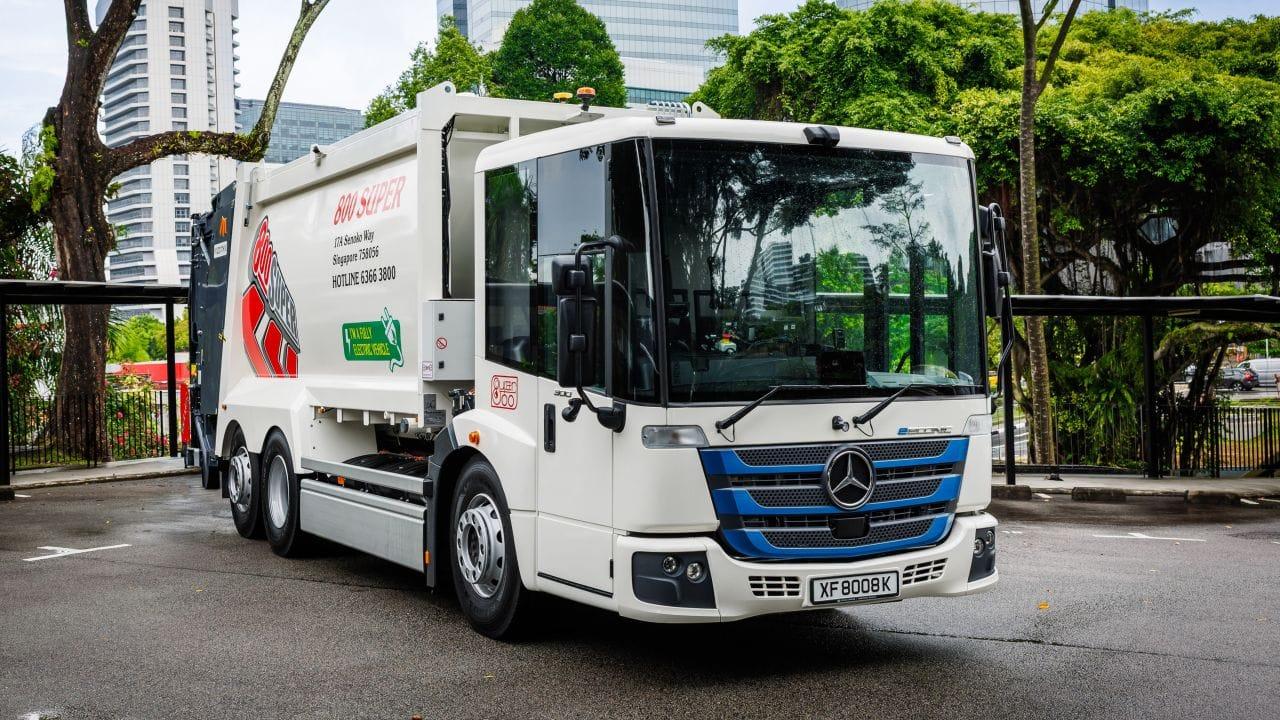
Electrical Vehicle
As the world transportation system is streaming rapidly towards sustainable and reusable energy to power all its personal and mass transport systems, 800 Super embarks on the route to challenge its capability by deploying a fleet of industrial utility EVs for its waste collection operations.
The unchartered experiences and compiling industrial know-how will further anchor 800 Super’s path in leading the Environmental Services industry towards a sustainable and circular economy.
Dual Compartment Rear End Loader
Similarly, with the introduction of the Dual Compartment Read End Loader (REL) vehicle, recyclable and garden wastes are quickly collected by deploying just one waste collection truck instead of two in the past operations.
Thus, enhancing productivity and reducing operating costs while minimising collection frequency, means less utility operation trucks on the road, cutting down pollutions and achieving lower carbon footprint deployments.
Food Waste and Smart Recycling Box
800 Super innovation and productivity initiatives have always gear towards the ambition to deploy the most technological advanced fleet for its waste management operations in Singapore.
With the commencement of the Public Waste Collection contract for Pasir Ris-Bedok in July 2018, the company took another bold commitment to introduce a fleet of Electrical Vehicle (EV) and Dual Compartment waste collection trucks. Together with the Side-loading waste collection vehicle introduced in the same year, 800 Super prides its fleet to be the most comprehensive and technologically advanced in Singapore.
Smart Recycling Boxes and Food Waste Lockers
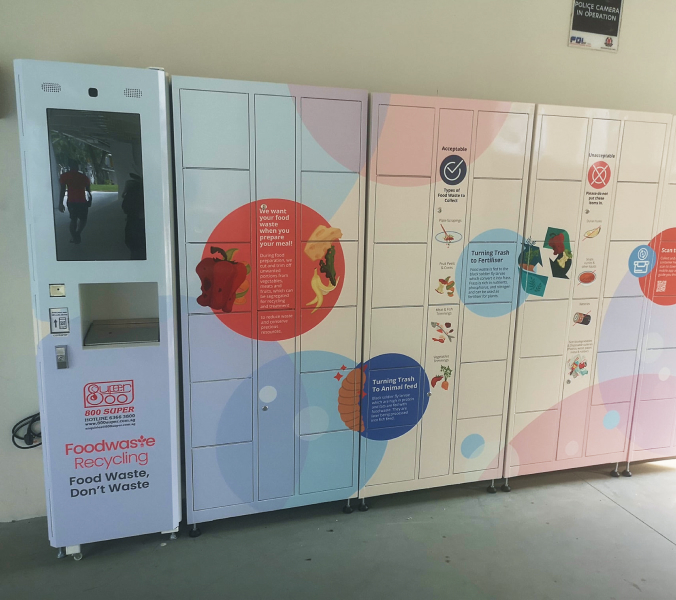
800 Super is the first company to introduce Smart Recycling Boxes and Food Waste Lockers under its NEA municipal waste collection services. First launched in the Ang Mo Kio–Toa Payoh sector and subsequently introduced in the Pasir Ris–Bedok sector, these solutions make recycling and food waste disposal more convenient for residents.
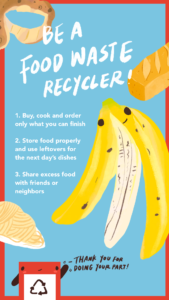
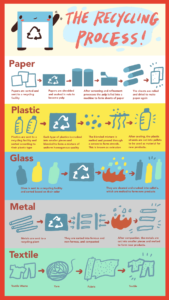
The initiatives improve the recovery of clean recyclables and food waste, encourage community participation, and reduce waste sent for incineration—supporting Singapore’s journey towards zero waste and a circular economy.
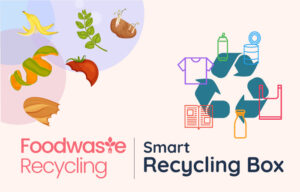


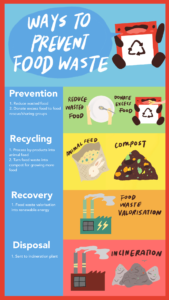
Food Waste Recycling Locker and Smart Recycling Box recover useful leftover food and recyclables that we generate daily. It helps to reduce the amount of waste that is being transported and incinerated.
How to Use “Recycle Right” App
How to Use Food Waste Smart Locker
How to Use Smart Recycling Box
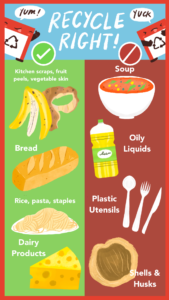
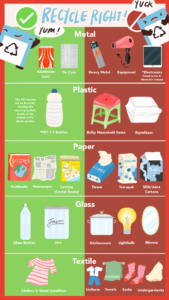
What Can / Cannot be Added to Smart Recycling Box
Get in Touch With Us
Let's build a cleaner, greener future together. Whether you need waste collection, recycling solutions, or facility management services, our experienced team is ready to help.